


The final Sign for the AGLAIA campaign is “fibula”. This is the term (fibulae) used by archaeologists for pins and brooches that were initially used for fastening clothing and later also as decorative jewellery. Fibulae declined in use from the medieval period onwards as they were replaced by buttons but they still exist today in the form of the safety pin. Since fibulae are commonly made of metal, they are also common finds by metal detectorists.
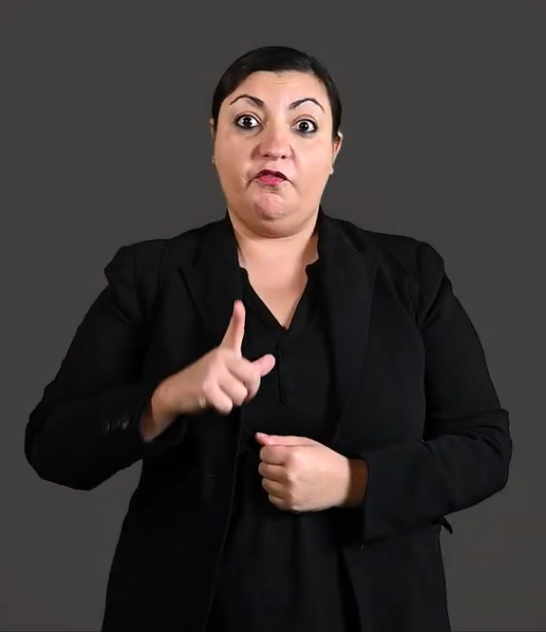
Screenshot from the AGLAIA sign for “fibula”
Fibulae typically consist of four parts: the body, a pin, a spring, and a hinge. The body can be a simple pin-like structure through to a plate. The latter type of design is the source of the name as this resembles the fibula bone. Archaeologists classify fibulae by their shape and form, their original location and culture and their historical period.
The first (metal) fibulae appeared in the Bronze age (approx. -2600 to -800 BCE) although it is likely that simple pins that served the same purpose and made from perishable materials such as wood and bone would have been used prior to this period. “Peak” fibula appears to have occurred between 0-300 CE according to the 55,000+ resources (classified as “Brooch” in the Getty AAT, this being a broader term) which coincides with the Roman period. By this time, silver and gold along with precious stones were used in the design of brooches which had become quite diverse. The design of fibulae, as well as the materials used, are also indicative of the time period in which they were manufactured, such as the early Celtic period (-800 to -100 BCE) where animals and people were popular. For this reason, fibulae are useful indicators when found in ancient graves since they survive long after any garments have gone.
Visit the ARIADNE YouTube Channel for the AGLAIA Sign Language Glossary.
Some examples of brooches (fibulae) from the ARIADNE Catalogue:
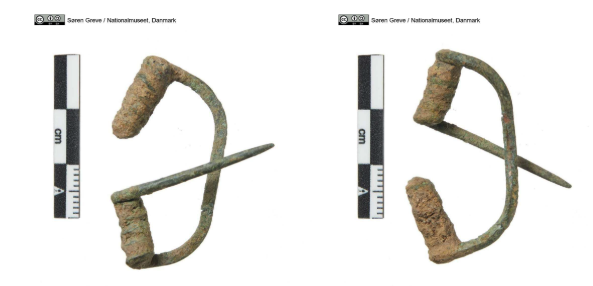
Iron age fibula from Denmark (Dragtudstyr)
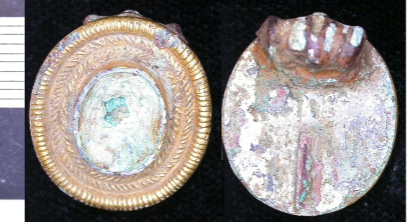
Roman plate brooch found in Leicestershire, UK
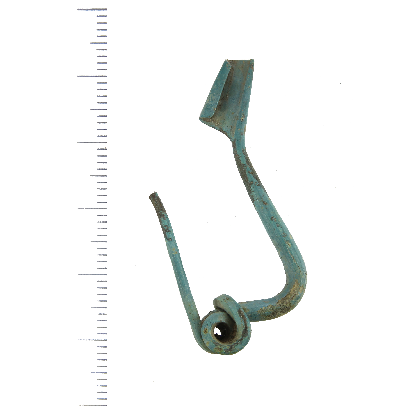
Roman-era wire brooch with angular bow variant, Netherlands
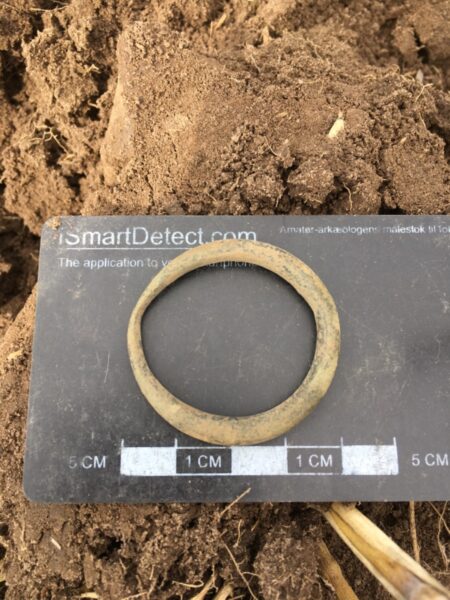
Bronze age disc-shaped brooch, Denmark